DURGA PUJA
Durga Puja is one of the most significant and widely celebrated festivals in India, especially in West Bengal, Assam, Odisha, Bihar, Tripura, and Bangladesh. It is dedicated to Goddess Durga, who symbolizes power, strength, and the victory of good over evil. The festival usually takes place in the month of Ashwin (September–October) and lasts for ten days, with the last five days being the most important.


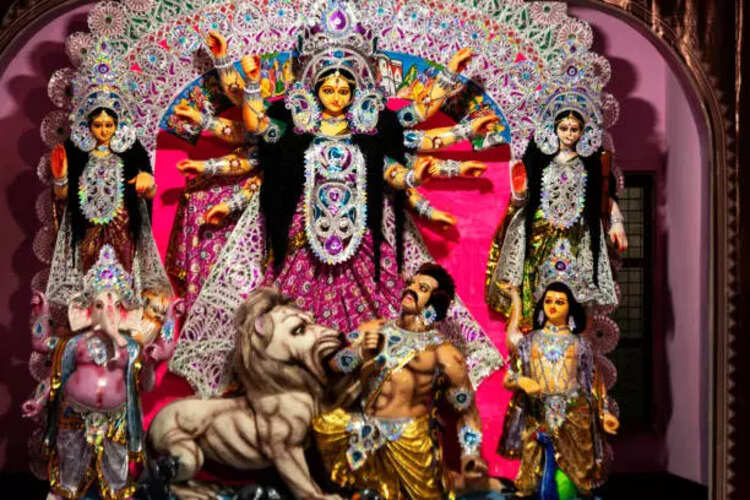
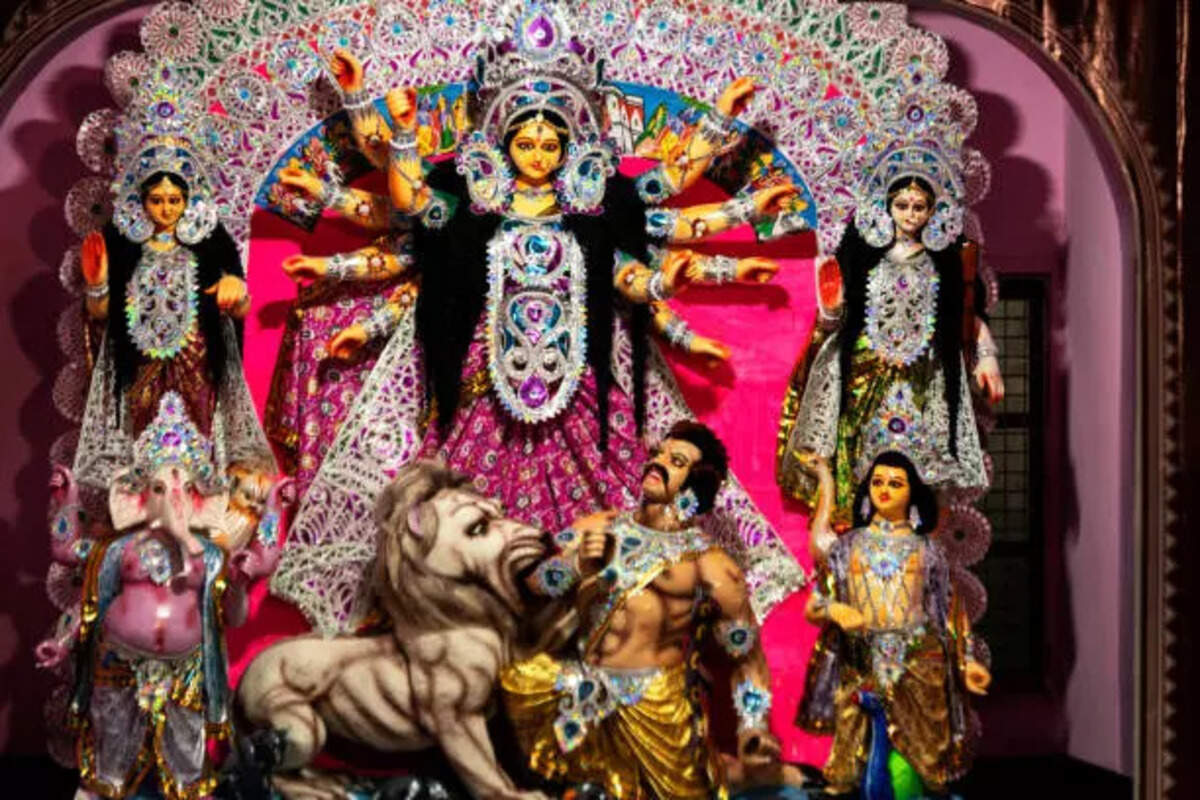
According to Hindu mythology, Goddess Durga was created by the gods to destroy the demon Mahishasura, who could not be defeated by any man or god. Equipped with weapons from all the gods and riding a lion, she fought Mahishasura for nine days and nights and finally killed him on the tenth day, known as Vijayadashami or Dussehra. This victory signifies the triumph of righteousness and the power of the feminine divine.
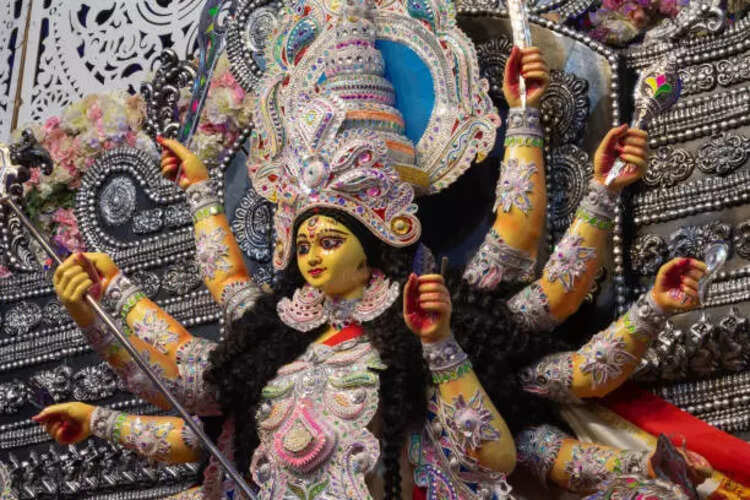
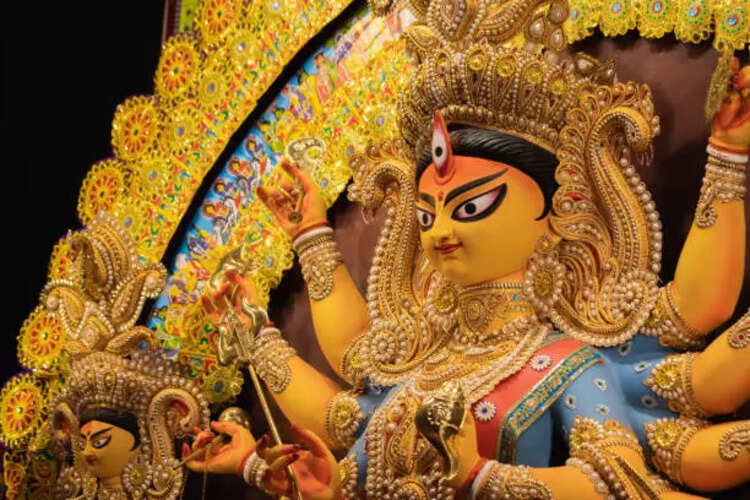
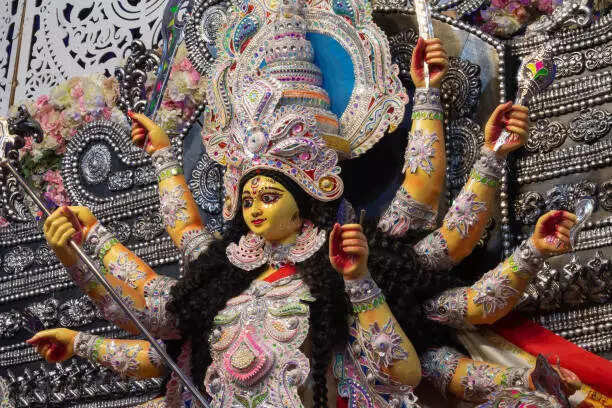
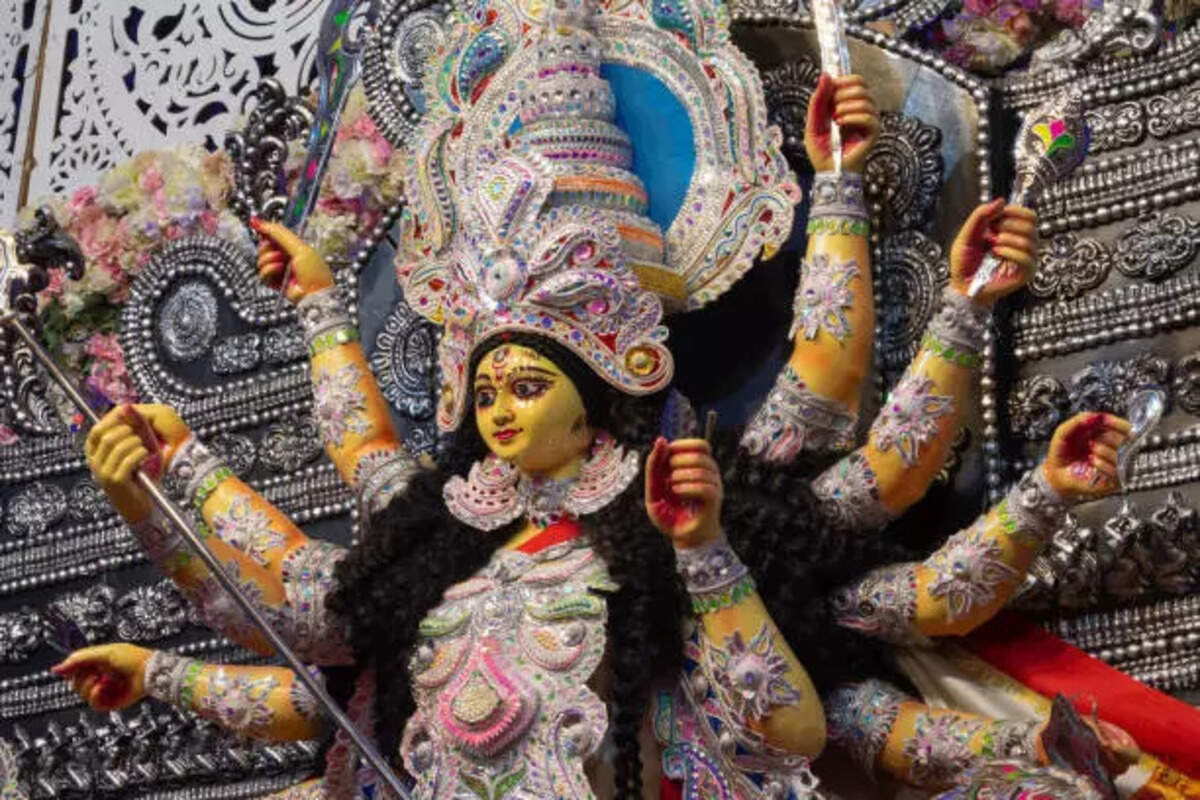
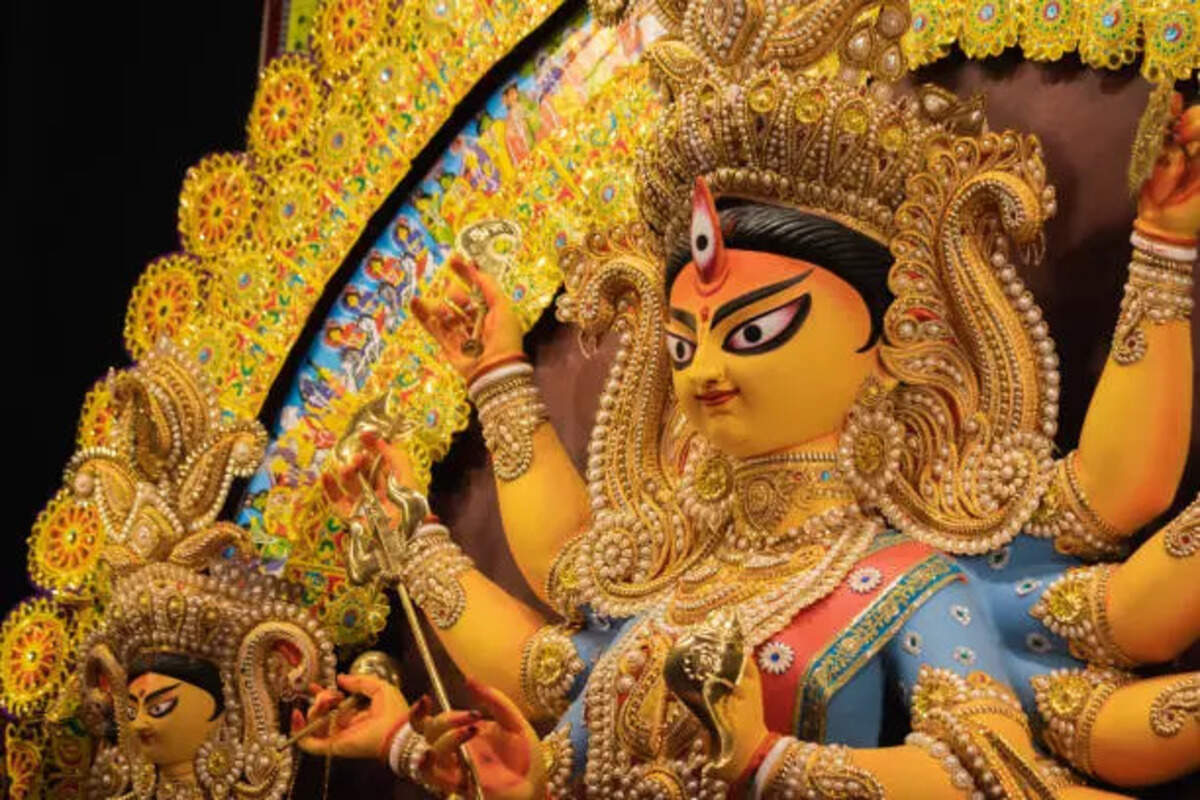
Durga Puja is not just a religious festival, but also a grand social and cultural event. Beautifully crafted idols of Goddess Durga, along with her children—Lakshmi, Saraswati, Kartikeya, and Ganesha—are installed in elaborately decorated pandals (temporary structures). Each pandal often has a unique theme, ranging from traditional art to modern architecture, drawing huge crowds from all over
People wear new clothes, visit different pandals, and enjoy traditional food and sweets. Cultural programs, including dance, music, and drama, are organized in many places. Schools and colleges remain closed, and people take a break from their regular routine to enjoy the festivities with family and friends


Durga Puja is a time of joy, devotion, and unity. It brings people from different communities together to celebrate the spirit of good over evil. It also helps preserve Indian culture and traditions through rituals, music, art, and food.
Durga Puja is a time of joy, devotion, and unity. It brings people from different communities together to celebrate the spirit of good over evil. It also helps preserve Indian culture and traditions through rituals, music, art, and food.
Durga Puja is a time of joy, devotion, and unity. It brings people from different communities together to celebrate the spirit of good over evil. It also helps preserve Indian culture and traditions through rituals, music, art, and food.
According to Hindu mythology, Goddess Durga was created by the gods to destroy the demon Mahishasura, who could not be defeated by any man or god. Equipped with weapons from all the gods and riding a lion, she fought Mahishasura for nine days and nights and finally killed him on the tenth day, known as Vijayadashami or Dussehra. This victory signifies the triumph of righteousness and the power of the feminine divine.
Durga Puja is not just a religious festival, but also a grand social and cultural event. Beautifully crafted idols of Goddess Durga, along with her children—Lakshmi, Saraswati, Kartikeya, and Ganesha—are installed in elaborately decorated pandals (temporary structures). Each pandal often has a unique theme, ranging from traditional art to modern architecture, drawing huge crowds from all over.
People wear new clothes, visit different pandals, and enjoy traditional food and sweets. Cultural programs, including dance, music, and drama, are organized in many places. Schools and colleges remain closed, and people take a break from their regular routine to enjoy the festivities with family and friends.