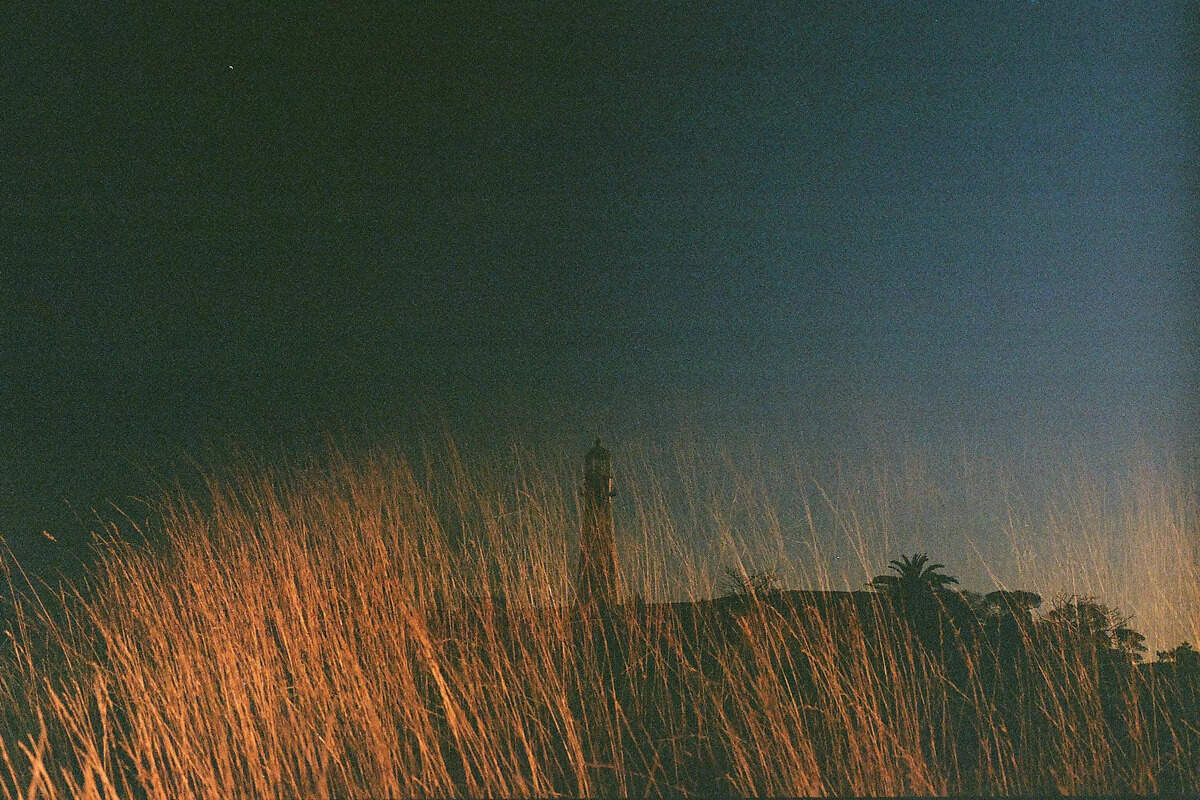
THE BEAUTY OF FILM PHOTOGRAPHY
Photographic film is a light-sensitive plastic sheet coated with a chemical emulsion containing silver halide crystals, which forms a latent image when exposed to light. This unexposed image is then developed through a chemical process to create a visible photograph. Film comes in various types, including black-and-white and color, and is used in cameras to capture still or motion pictures before being processed.


Color positive film has more color and saturation. Color positive film is often used in analog video cameras, since it’s more easily projected. Color negative film is flexible, but the colors can unintentionally shift if you’re too high or low within your film camera settings. Black-and-white film is less expensive than color film. It’s also the most forgiving medium and is one you can develop at home.
When the negatives are dry, you can print the photos. Use an enlarger to project your film negative onto a piece of photo-sensitive paper, and create test strips and prints by turning on the light inside the enlarger for a series of increasing seconds.
Set up four trays, and fill them with developer, fixer, stopper, and water. After the photo paper has been exposed to light, place it in a tray of developer. While the paper sits in the developer, you’ll see the contrast and shadows start to emerge. From there, you’ll move it to the fixer, then the stop bath, and then rinse it in the water bath. Keep in mind that your brand of paper and chemicals will impact the amount of time your print stays in each solution. After that, you can hang your photo dry, then frame it and enjoy.


The process of film photography typically involves using a camera that holds a roll of film, which is advanced after each exposure. The film is then developed in a dark room or sent to a lab to be processed and digitalised. Film photography fosters a more intentional approach to taking pictures.

Even in cinema, film is making a comeback. Oppenheimer, Killers of the Flower Moon, and Sinners were shot on large-format film, while Euphoria Season 2 was shot on 35 mm film. “Film has always been larger than life”, says Marcell Rév, Euphoria’s cinematographer, in an interview with Kodak. “It also adds a structure to the filmmaking process that forces you to move with intention.”
For those who grew up in the ’80s and ’90s, swiping through memories meant flipping through photo albums, each page holding a slice of life, developed from film rolls and placed behind a carefully sealed plastic sleeve. Before the advent of high-resolution camera cell phones and instant prints, film photography was a slower, more deliberate process, with only a few owning a camera. Today, rekindling this old passion, film photography and vintage cameras are making a quiet but bold comeback.


The film captures up to 6 stops of dynamic range, preserving details in both highlights and shadows naturally. Unlike digital, which often needs heavy editing, film's organic tones give images unmatched depth.