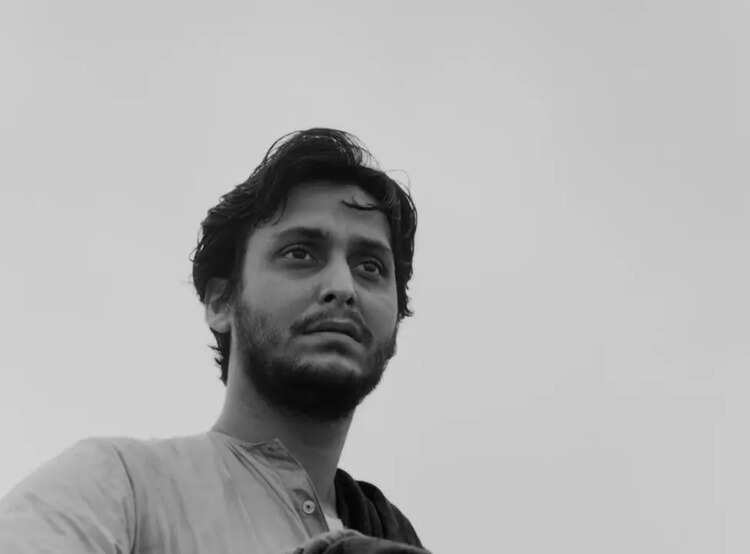
Satyajit Ray, an icon in Indian Cinema
Master storyteller Satyajit Ray crafted timeless films blending realism, humanism, and rich cultural depth, including classics like Pather Panchali, Charulata, and The Apu Trilogy, influencing global cinema profoundly.


Satyajit Ray (1921–1992) was an iconic Indian filmmaker, widely regarded as one of the greatest directors in the history of world cinema. Born in Kolkata (then Calcutta), West Bengal, into a distinguished Bengali family, Ray was the grandson of Upendrakishore Ray Chowdhury, a notable writer and illustrator. He studied at Presidency College and later at Visva-Bharati University in Santiniketan, founded by Rabindranath Tagore. These experiences deeply influenced his artistic and philosophical outlook.
Ray began his career as a commercial artist and illustrator, but his passion for cinema led him to explore filmmaking. A transformative moment came during his trip to London in 1950, where he watched several international films, including Vittorio De Sica’s Bicycle Thieves. Inspired by Italian neorealism, Ray decided to make his first film, Pather Panchali (1955), an adaptation of a Bengali novel by Bibhutibhushan Bandyopadhyay.

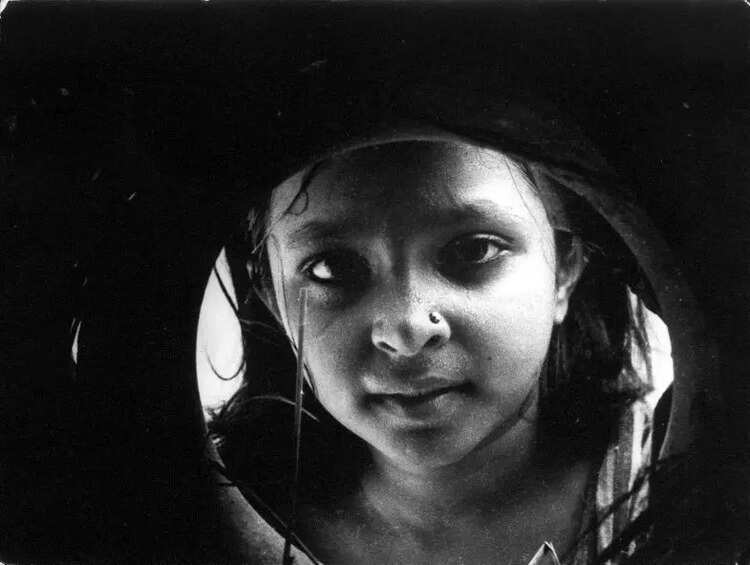
Pather Panchali marked a new era in Indian cinema. Made on a shoestring budget and using non-professional actors, the film portrayed the struggles of a rural Bengali family with honesty and lyricism. It received critical acclaim worldwide and won numerous international awards, including Best Human Document at the Cannes Film Festival. This success establi

shed Ray as a master filmmaker.
He followed it up with two sequels—Aparajito (1956) and Apur Sansar (1959)—completing what is now known as the Apu Trilogy. These films trace the journey of Apu from childhood to adulthood and are celebrated for their deep emotional resonance, visual beauty, and subtle performances
Throughout his career, Ray made 36 films, including feature films, documentaries, and shorts. His storytelling was marked by realism, empathy, and a deep understanding of human nature. Some of his other notable works include:
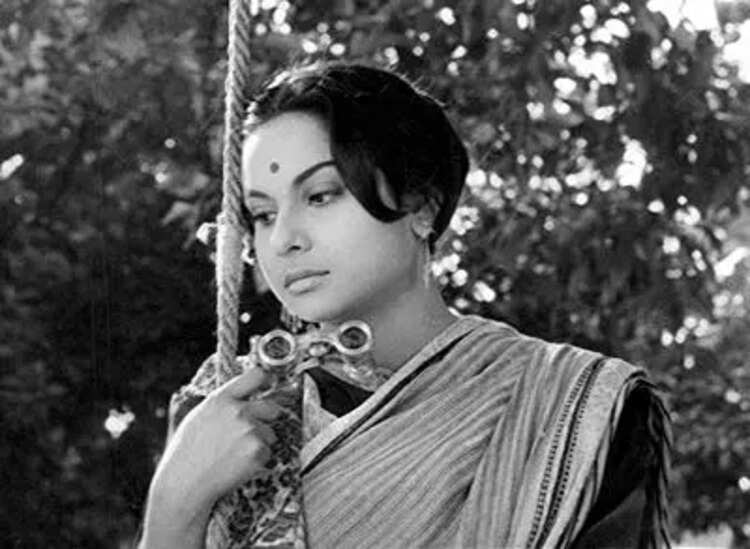
Charulata (1964): A poignant tale of a lonely housewife, based on a Tagore novella.
Jalsaghar (1958): A reflection on the decline of the feudal aristocracy.
Mahanagar (1963): A modern story about a housewife entering the workforce in Kolkata.
Nayak (1966): A day in the life of a film star, exploring fame and vulnerability.
Shatranj ke Khilari (1977): His only Hindi film, set in pre-colonial India, examining politics and culture.
Satyajit Ray’s films continue to be studied and celebrated worldwide for their artistry, humanity, and timeless appeal. His legacy endures as a towering figure in global cinema.

Apur Sansar (The World of Apu, 1959), the final film in Satyajit Ray’s Apu Trilogy, marks Apu’s transition from youth to adulthood. After enduring personal loss, including the death of his wife Aparna, Apu isolates himself from society and his son. The film explores themes of grief, fatherhood, and redemption with emotional depth and poetic realism. Soumitra Chatterjee, in his debut role as Apu, delivers a powerful performance. Ray’s subtle direction, combined with Ravi Shankar’s evocative music, creates a deeply human and moving finale. Apur Sansar is a poignant conclusion to one of cinema’s most acclaimed trilogies.